
Skip to content
Calculadora.co.uk
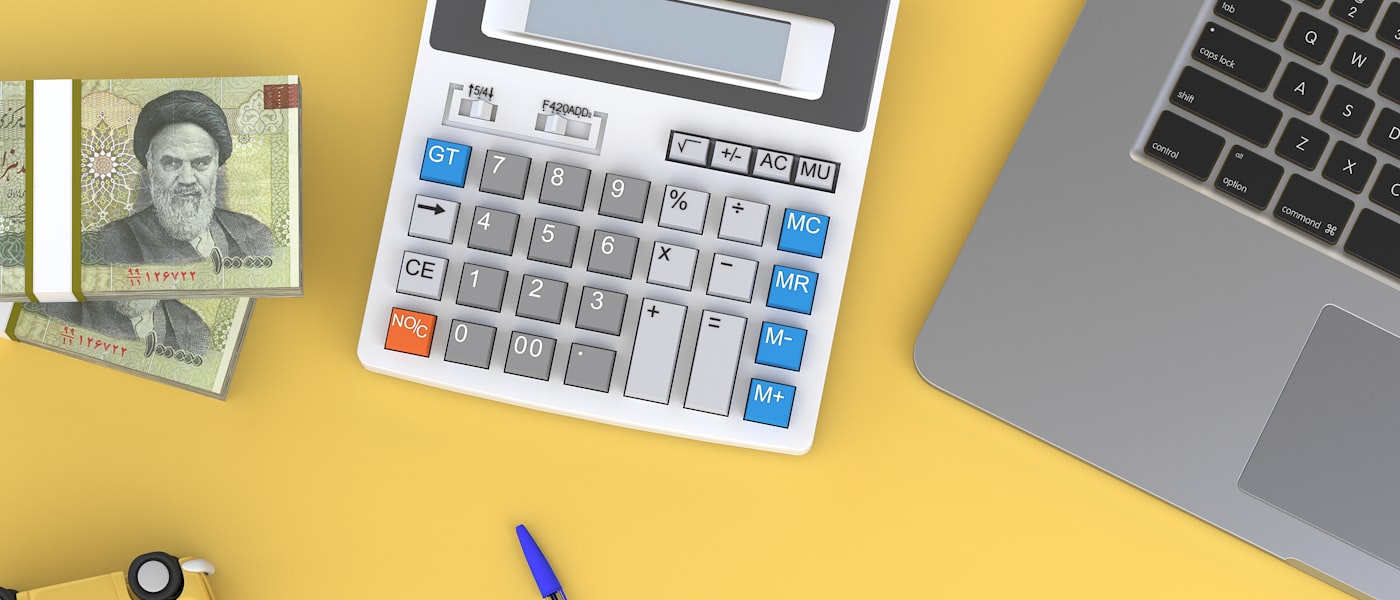
Calculator on a desk — unit conversion tools

Photo via Unsplash

Calculadora · Conversions

Speed Converter

LIVE
mph
0.621371
1 km/h

Convert mph, km/h, m/s and knots with context: UK road signs use mph, most of Europe uses km/h, sailors use knots and SI uses m/s.

Written by Editorial DeskReviewed by Laura Whitmore

How it works

What this calculadora actually does

Use this Speed Converter when you need a speed converter you can trust — clean inputs, transparent steps, zero fluff.

Most Conversions tools bury the calculation. Speed Converter shows it. Punch in your figures, read the working, share the URL if you need a second opinion.

The UK and US gallon are different; do not assume. Double-check by converting back — then convert it and the rest of this page explains what the answer means.

1 mph = 1.609344 km/h. 1 knot = 1.852 km/h. UK road speed limits are in mph; car speedos also show km/h for Europe. Running pace uses minutes-per-mile or minutes-per-km.

On this page you will see BIPM (SI), GOV.UK and Met Office treated as first-class terms — each one is linked to the calculators and references that use it, so you can follow the thread without retyping queries into a search bar.

If it helps, jump straight to the Conversions hub or compare with the Length Converter and the Fuel Cost Calculator — those two calcs are the ones readers usually open right after this page.

Following the method end to end

Here's what happens when you plug real numbers in.

1 mph = 1.609344 km/h. 1 knot = 1.852 km/h. UK road speed limits are in mph; car speedos also show km/h for Europe. Running pace uses minutes-per-mile or minutes-per-km.

Scenarios where Speed Converter pays off

Speed Converter is aimed at people arriving with questions like these:

  • "Mph to kmh"
  • "Kmh to mph"
  • "Knots to mph"
  • "M/s to mph"
  • "What is speed converter"
  • "How to calculate speed converter"

When it isn't the right tool

Every tool has an edge where it stops being the right answer. Speed Converter is no exception:

  • For legally binding tax or medical decisions — cross-check with HMRC, NHS or a qualified professional.
  • For very large or very small extremes the rounding error outgrows the useful precision.
  • When the underlying rate or threshold has changed since the page was last reviewed — always verify with the primary source.
  • When the input you have is already a derived figure (net of something) — feeding it in as "gross" will double-subtract.

The snags that cost people the answer

Every time you convert it for a new scenario, one of these creeps in — it's worth knowing them ahead of time.

  • Flipping the numerator and denominator — half the "wrong" answers on this type of calculation are an inverted ratio.
  • Not noticing that one input is already pre-rounded by the source that gave it to you.
  • Forgetting that negative inputs behave differently — the formula assumes positive magnitudes unless the tool says otherwise.
  • Running the calculation once and believing it. Always sanity-check against an order-of-magnitude estimate done in your head.
  • Copying numbers from a PDF and picking up hidden thousands separators as decimal points.

The sources behind the numbers

Where the maths needs an external authority, we cross-check against:

  • BIPM (SI)
  • GOV.UK
  • Met Office

Works well alongside

If this question keeps coming up for you, the same cluster of tools usually comes next:

  • Length Converter — Convert between metres, centimetres, feet, inches, miles, kilometres and yards with full-precision factors and context on which unit is used where.
  • Fuel Cost Calculator — Work out fuel cost for any journey from distance, pence-per-litre and MPG — with a UK-average benchmark for comparison.

How we keep this accurate

Our calculadoras run on pure, unit-tested functions — the same logic lives in the browser and in the CI test suite. When tax rates, thresholds or official figures move, the update lands within 24 hours of the announcement. You can read the editorial policy and corrections policy.

Found an out-of-date number on Speed Converter or anywhere else in the Conversions toolkit? Send it to the editorial desk and we'll patch it. Or browse the full calculadora directory for the next tool you need.

Frequently asked questions

Mph to kmh?
Without the jargon, feed the figures into the Speed Converter widget and it'll show the working. Convert mph, km/h, m/s and knots with context: UK road signs use mph, most of Europe uses km/h, sailors use knots and SI uses m/s. 1 mph = 1.609344 km/h. 1 knot = 1.852 km/h. UK road speed limits are in mph; car speedos also show km/h for Europe. Running pace uses minutes-per-mile or minutes-per-km.
Kmh to mph?
Tldr: open the Speed Converter widget at the top of the page. Convert mph, km/h, m/s and knots with context: UK road signs use mph, most of Europe uses km/h, sailors use knots and SI uses m/s. 1 mph = 1.609344 km/h. 1 knot = 1.852 km/h. UK road speed limits are in mph; car speedos also show km/h for Europe. Running pace uses minutes-per-mile or minutes-per-km.
Knots to mph?
The useful way to think about it: this question usually arrives alongside Length Converter, Fuel Cost Calculator. The Speed Converter handles the specific case above; the others cover adjacent ground.
M/s to mph?
Cutting to it, every figure is cross-checked against BIPM (SI) and the wider data. If you notice a stale rate, email the editorial desk and we'll patch it in under 24 hours.
What is speed converter?
Short answer: yes, everything runs in your browser. No inputs are sent to our servers or any third party, nothing is logged and nothing persists after you close the tab.
How to calculate speed converter?
Quick version: Speed Converter is free to use, free to share and free to embed — pass the URL around a class, a slack channel or a family chat. The editorial policy covers attribution.
Speed converter formula?
Practically speaking, the short method: write the inputs in the units shown, run the calculation, then sense-check the answer against an order-of-magnitude estimate in your head.
Speed converter example?
Here's the plain-English summary: if the result surprises you, run it a second time with slightly different inputs — small swings often reveal a unit or rounding issue in the original figures.
Speed converter worked example?
In one line: a calculadora is a sanity check, not a verdict. For anything legally binding — contracts, tax filings, medical decisions — bring the figure to a qualified professional as a starting point.
Speed converter explained?
Put simply, Convert mph, km/h, m/s and knots with context: UK road signs use mph, most of Europe uses km/h, sailors use knots and SI uses m/s. The page walks through the method in full so you can answer follow-up questions without guessing.
Speed converter definition?
The direct take: open the Speed Converter widget at the top of the page. Convert mph, km/h, m/s and knots with context: UK road signs use mph, most of Europe uses km/h, sailors use knots and SI uses m/s. 1 mph = 1.609344 km/h. 1 knot = 1.852 km/h. UK road speed limits are in mph; car speedos also show km/h for Europe. Running pace uses minutes-per-mile or minutes-per-km.
Speed converter meaning?
Straightforward answer: open the Speed Converter widget at the top of the page. Convert mph, km/h, m/s and knots with context: UK road signs use mph, most of Europe uses km/h, sailors use knots and SI uses m/s. 1 mph = 1.609344 km/h. 1 knot = 1.852 km/h. UK road speed limits are in mph; car speedos also show km/h for Europe. Running pace uses minutes-per-mile or minutes-per-km.

References